
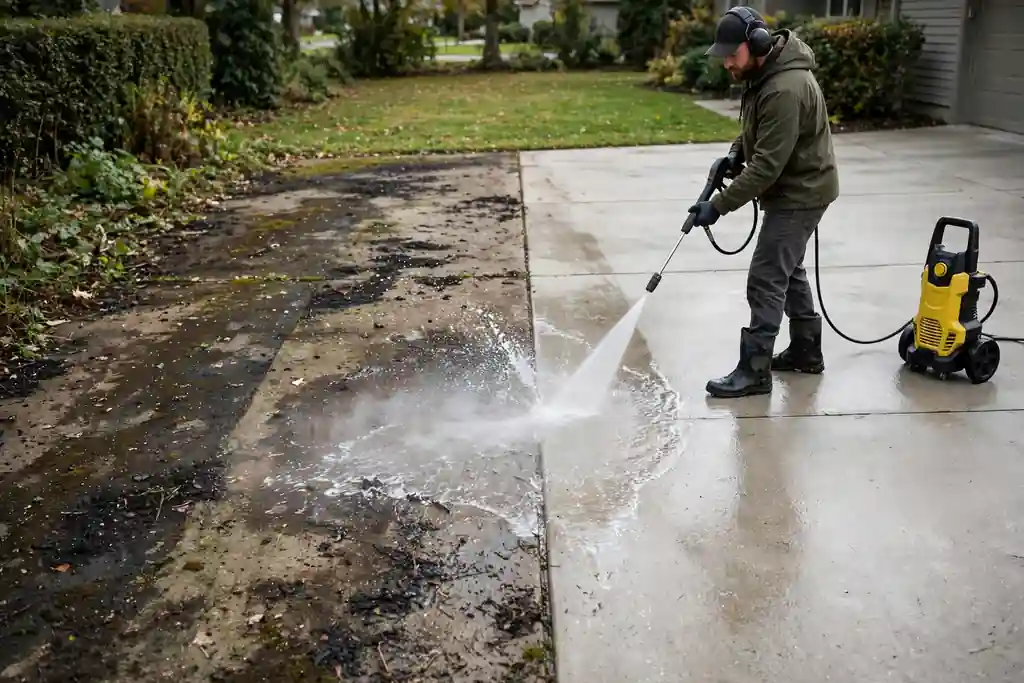
Operating a pressure washer involves connecting the unit to a water supply, selecting the correct nozzle tip, adjusting the PSI and GPM settings for your surface, and applying water in controlled, sweeping motions at a safe distance to avoid surface damage or injury.
Pressure washers have become one of the most versatile and time-saving cleaning tools for homeowners, contractors, and commercial operators alike. Whether you are blasting mildew off a wooden deck, stripping old paint from a concrete driveway, or rinsing down garden furniture, knowing exactly how to operate a pressure washer safely and effectively is the difference between a perfect clean and a costly mistake. This guide covers everything from machine components and setup to technique, safety, and maintenance — structured to give you complete, actionable knowledge from start to finish.
What Is a Pressure Washer?
A pressure washer (also called a power washer) is a high-pressure mechanical device that uses a motorized pump to force water through a narrow spray nozzle at significantly higher velocity than a standard garden hose. The resulting high-pressure water stream dislodges dirt, grime, mold, mildew, algae, grease, and loose paint from a wide variety of surfaces.
The core measurement units that define a pressure washer’s performance are PSI (pounds per square inch), which measures water pressure, and GPM (gallons per minute), which measures water flow rate. Together, these two values determine Cleaning Units (CU) — calculated by multiplying PSI by GPM — which is the most accurate way to compare machine power across different models.
A standard residential pressure washer typically delivers between 1,300 and 2,400 PSI, while a commercial-grade pressure washer or industrial pressure washer can reach 3,000 to 8,000 PSI or higher. Understanding these values is essential before you even turn the machine on.
Types of Pressure Washers
Electric Pressure Washers
Electric pressure washers are powered by an electric motor and are plugged into a standard household outlet. They are quieter, lighter, and lower-maintenance than gas models. Most deliver between 1,300 and 2,000 PSI, making them ideal for light-duty tasks like washing cars, patio furniture, fences, and small decks. Popular brands in this category include Sun Joe, Karcher, Ryobi, and Greenworks.
Key attributes of electric models:
- Power source: 120V or 240V electrical outlet
- Noise level: Low (60–78 dB)
- Maintenance: Minimal — no oil changes, no fuel management
- Portability: Best for stationary or close-to-outlet tasks
Gas Pressure Washers
Gas-powered pressure washers use a gasoline engine (commonly from Honda, Briggs & Stratton, or Kohler) to drive the pump. These machines are more powerful, fully portable, and suitable for heavy-duty cleaning applications. They typically deliver 2,500 to 4,000+ PSI and are preferred by professionals.
Key attributes of gas models:
- Power source: Gasoline (2-stroke or 4-stroke engine)
- Noise level: High (85–95 dB) — hearing protection recommended
- Maintenance: Requires regular oil changes, spark plug checks, and fuel management
- Best for: Driveways, large decks, stripping paint, farm equipment
Hot Water Pressure Washers
Hot water pressure washers (also called steam pressure washers or hot water power washers) heat the water before expelling it, which dramatically increases their ability to cut through grease, oil, and biological contaminants. They are commonly used in commercial kitchens, auto detailing, agricultural equipment cleaning, and industrial facilities. Brands like Landa, Hotsy, and Alkota specialize in these units.
Pressure Washer Pump Types
The pump is the heart of any pressure washer. The two main types are:
- Axial cam pump: Common in consumer-grade models; less durable under continuous use
- Triplex pump (plunger pump): Found in professional models; longer lifespan and better for high-frequency operation
Key Components of a Pressure Washer
Before learning how to operate a pressure washer, you must understand its anatomy:
| Component | Function |
|---|---|
| Pump | Pressurizes the water from the supply line |
| Engine / Motor | Powers the pump (gas or electric) |
| High-Pressure Hose | Carries pressurized water from pump to gun |
| Spray Gun (Trigger Gun) | Controls water release via trigger mechanism |
| Extension Wand (Lance) | Extends reach and directs the spray |
| Nozzle Tips | Controls spray angle and pressure intensity |
| Detergent Tank / Injector | Holds and injects cleaning chemicals |
| Inlet Filter / Water Filter Screen | Prevents debris from entering the pump |
| Unloader Valve | Releases pressure when trigger is not pulled |
| Garden Hose Inlet | Connects to your external water supply |
Understanding Pressure Washer Nozzles
The nozzle tip (also called a spray tip) is arguably the most important operational variable when you operate a pressure washer. Nozzles are color-coded according to their spray angle, and choosing the wrong one can damage surfaces or reduce cleaning effectiveness.
Color-Coded Nozzle Guide
Red Nozzle (0°): Produces a pinpoint, zero-degree jet stream with maximum impact force. Suitable only for extremely tough concrete or steel surfaces. Never use on wood, painted surfaces, vehicles, or skin — it can cause serious injury.
Yellow Nozzle (15°): Delivers a narrow, high-intensity stream ideal for stripping paint, removing heavy buildup from concrete, and cleaning stubborn stains from hard surfaces.
Green Nozzle (25°): The most versatile all-purpose nozzle. Suitable for washing cars, driveways, decks, sidewalks, and garden equipment. The go-to choice for most homeowners.
White Nozzle (40°): A wide, gentle fan spray for delicate surfaces such as windows, siding, boats, and outdoor furniture. Lower impact reduces the risk of scratching.
Black Nozzle (65°): Low-pressure soap nozzle used exclusively for applying detergent or cleaning solutions. It widens the spray to cover large areas with foam or chemical solutions without stripping surfaces.
Turbo Nozzle (Rotary Nozzle): Spins the 0° stream in a circular pattern to dramatically increase cleaning speed on flat concrete, brick, and stone surfaces. Delivers roughly 50% more cleaning power than a standard tip.
How to Operate a Pressure Washer: Step-by-Step Guide
Step 1: Read the Owner’s Manual and Inspect the Equipment
Before starting any job, read the manufacturer’s operating manual specific to your model. Inspect the high-pressure hose for cracks, kinks, or abrasions. Check the spray gun for damage. Verify that all connections are tight and that the inlet water filter screen is clean. This step prevents equipment failure mid-job and protects you from high-pressure line bursts.
Step 2: Connect the Water Supply
Attach a standard garden hose (preferably ¾-inch diameter for maximum flow) to the machine’s water inlet. Turn the water supply on fully and let water flow through the machine before starting it — this purges air from the pump and prevents dry-running, which can destroy the pump seals within minutes.
For most pressure washers, the minimum water supply flow rate required is 1 to 2 GPM from your water source. If your garden tap cannot supply enough volume, the pump will cavitate and overheat.
Step 3: Add Detergent (If Required)
If you plan to use a pressure washer detergent, degreaser, or soap solution, fill the onboard detergent tank or connect a downstream chemical injector to your hose system. Always use detergents specifically formulated for pressure washers — household cleaners can damage pump seals, rubber O-rings, and internal components.
Apply soap only with the black low-pressure nozzle or through a foam cannon attachment, always working from the bottom up on vertical surfaces to prevent streaking. Allow the detergent to dwell for 3–5 minutes before rinsing — but never let it dry on the surface.
Step 4: Select the Correct Nozzle
Attach the appropriate color-coded nozzle for your surface type (refer to the nozzle guide above). Always attach the nozzle before starting the machine and never change nozzles with the machine running and trigger engaged. Point the wand away from yourself and any bystanders when inserting and locking the nozzle.
Step 5: Start the Machine
For electric pressure washers: Plug into a GFCI-protected outlet, turn the on/off switch to ON, squeeze the trigger briefly to relieve residual pressure, and the machine is ready.
For gas pressure washers: Ensure the machine has adequate engine oil (check the dipstick), add fresh gasoline (never use E85 or ethanol blends above 10%), set the choke to the start position, open the fuel valve, and pull the recoil starter cord. Once running, move the choke to the run position and allow the engine to warm up for 30–60 seconds before engaging the trigger.
Step 6: Test and Adjust Distance
Before cleaning your target surface, test the spray on an inconspicuous area or a piece of scrap material. Start at a distance of 24–30 inches from the surface. Gradually move closer until you find the distance that cleans effectively without etching, gouging, or splintering the material.
General distance guidelines:
- Concrete and brick: 6–12 inches
- Wood decking: 12–18 inches
- Vehicles and painted surfaces: 18–24 inches
- Windows and siding: 24–36 inches
Step 7: Clean Using Proper Technique
Move the spray wand in smooth, consistent, overlapping strokes — never hold the stream in one spot. Keep the nozzle at a consistent angle (typically 45 degrees for flat surfaces) to prevent streaking. Work in sections, rinsing as you go rather than soaping an entire large area at once.
For vertical surfaces like walls and fences, always clean and rinse from top to bottom to let dirty water run down and away from already-cleaned areas. For horizontal surfaces like driveways, work in parallel rows with slight overlap between passes.
Step 8: Rinse and Shut Down
After completing the cleaning job, switch the detergent supply off, swap back to a rinsing nozzle (green or white), and rinse all surfaces thoroughly to remove any remaining soap residue. Detergent left on surfaces can attract dirt faster and leave visible streaks.
To shut down the machine: release the trigger, turn the engine or motor off, turn off the water supply, and then squeeze the trigger once more to release residual pressure from the system. Disconnect the garden hose, then the high-pressure hose, nozzle, and wand.
Pressure Washer Safety: Critical Rules You Must Follow
Operating a pressure washer without proper safety awareness is genuinely dangerous. The high-pressure water stream can inject bacteria and debris deep into skin tissue — a medical condition called injection injury — which requires emergency surgical treatment even when the wound looks minor externally.
Essential safety rules:
- Never point the spray gun at people, animals, or yourself under any circumstances
- Always wear safety goggles, waterproof gloves, and closed-toe shoes (steel-toed boots for heavy commercial use)
- Keep bystanders and children at least 15–20 feet away from the work area
- Never operate a gas pressure washer indoors or in enclosed spaces — carbon monoxide poisoning is fatal
- Do not use a ladder while operating a pressure washer — the recoil force can cause falls
- Always use a GFCI outlet for electric models to prevent electrocution risk near water
- Check local regulations before using pressure washers near storm drains — many municipalities restrict runoff containing detergents or heavy metals
Pressure Washer Detergents and Chemicals
Choosing the right pressure washer cleaning solution dramatically improves results:
| Detergent Type | Best Application | Notes |
|---|---|---|
| All-Purpose Cleaner | General surfaces, siding | Safe for most materials |
| Concrete Degreaser | Oil stains, garage floors | Alkaline-based for grease |
| Deck Cleaner / Wood Brightener | Wooden decks, fences | Often contains oxalic acid |
| Vehicle Wash Soap | Cars, trucks, motorcycles | pH-balanced to protect paint |
| Mold and Mildew Remover | Driveways, roofs, siding | Contains sodium hypochlorite |
| House Wash Solution | Vinyl siding, stucco | Low-pressure soap application |
Always confirm the detergent is compatible with your machine’s pump material (brass, aluminum, or stainless). Avoid bleach concentrations above 3% in standard units unless the manufacturer explicitly states the pump and seals are bleach-compatible.
Common Mistakes When Operating a Pressure Washer
Even experienced users make errors that damage surfaces or shorten machine life. Here are the most important mistakes to avoid:
Using the wrong nozzle: Using a 0° or 15° nozzle on softwood, car paint, or vinyl siding will etch or strip the surface. Always match nozzle angle to surface hardness.
Holding the wand too close: More pressure does not always mean better cleaning. Getting too close concentrates force into a small area and gouges concrete, strips wood grain, or blasts caulk out of joints.
Running the pump dry: Never run the motor without water flowing through the pump. Even 30 seconds of dry operation can destroy ceramic seals and require a costly pump replacement.
Using extension cords improperly: For electric models, only use heavy-duty outdoor-rated extension cords of adequate gauge (12 AWG or lower resistance). Undersized cords cause voltage drop, overheating, and motor failure.
Neglecting winterization: If you live in a climate where temperatures drop below freezing, failing to properly winterize your pressure washer by draining all internal water and adding pump protector antifreeze solution (such as Pump Armor by AR Blue Clean) will result in cracked pump heads and burst hoses by spring.
Applying detergent on a hot or sunny surface: Soap dries too fast in direct sunlight, leaving streaks and residue. Work in shade or during cooler parts of the day when using detergent.
Ignoring the unloader valve: If your machine vibrates excessively or the pressure fluctuates randomly, the unloader valve may be stuck or worn. Operating with a faulty unloader valve causes dangerously unstable pressure surges.
Pressure Washer Maintenance and Storage
A well-maintained pressure washer can last 10+ years. Core maintenance tasks include:
- After every use: Flush the pump with clean water by running the machine for 30 seconds without detergent before shutting down
- Every 50 hours (gas models): Change the engine oil per manufacturer specifications (typically SAE 30 or 10W-30)
- Annually: Inspect and replace O-rings, inlet filter screens, and check spark plugs on gas models
- Before storage: Apply pump protector lubricant through the inlet to coat internal seals against corrosion
- Hose storage: Coil the high-pressure hose in large loops rather than tight bends to prevent internal wire braid kinking
Frequently Asked Questions
How do I connect a pressure washer to a water supply properly?
Connecting a pressure washer to a water supply involves threading a standard garden hose onto the machine’s inlet connection port (typically a ¾-inch GHT threaded fitting). Turn the water on fully before starting the engine or motor to ensure the pump fills with water completely. A low water pressure supply — below 20 PSI at the tap — can cause pump cavitation. If your home water pressure is low, avoid elevating the machine above the water source, and consider a dedicated water tank feed for remote locations.
What PSI pressure washer do I need to clean a concrete driveway?
For cleaning a concrete driveway effectively with a pressure washer, a machine rated at 2,500 to 3,000 PSI combined with at least 2.5 GPM is recommended. The turbo nozzle or surface cleaner attachment paired with a concrete degreaser delivers the best results. For older, heavily stained concrete with oil penetration, a hot water pressure washer operating above 3,000 PSI will produce significantly faster and more thorough cleaning.
Can I use a pressure washer to clean a car without damaging the paint?
Yes, you can safely operate a pressure washer on a car if you use a 40° white nozzle, maintain a distance of 18–24 inches from the paint surface, keep the PSI below 1,800, and avoid directing the stream at rubber seals, door gaps, or under-hood areas where water can penetrate. Never use a 0° or 15° nozzle on automotive paint. Use a pH-neutral car wash detergent applied through the black foam nozzle before rinsing.
How far should the nozzle be from the surface when I operate a pressure washer?
The optimal nozzle distance when you operate a pressure washer depends on the surface and nozzle type. Start at 24–30 inches as a safe baseline and gradually move closer. For concrete, 6–12 inches is typical with a 25° green nozzle. For wood decking, stay at 12–18 inches. For vehicle surfaces, 18–24 inches is the safe minimum. The fundamental rule is: the narrower the nozzle angle, the farther away you should start.
What kind of detergent should I use when operating a pressure washer?
When operating a pressure washer with detergent, always use products specifically labeled “pressure washer safe” or “compatible with pressure washer pumps.” General product types include all-purpose house wash concentrates, concrete degreasers, vehicle wash soaps, and wood deck cleaners. Brands like Krud Kutter, Simple Green, Zep, and OxiClean Outdoor produce dedicated pressure washer formulas. Dilute concentrates according to label directions — using full-strength solutions does not improve cleaning and can corrode pump seals.
Is it safe to operate a gas pressure washer in a garage?
No. Operating a gas pressure washer indoors — including in a garage, basement, or any enclosed space — is extremely dangerous due to carbon monoxide (CO) emissions from the gasoline engine. Carbon monoxide is colorless, odorless, and lethal at relatively low concentrations. Always run gas-powered pressure washers outdoors in open, well-ventilated areas with at least 10 feet of clearance from any doors, windows, or vents. Only electric pressure washers are safe for sheltered or semi-enclosed use.
Why does my pressure washer lose pressure during operation?
Pressure drops during operation are most commonly caused by: a clogged inlet filter restricting water flow into the pump, a worn or damaged nozzle tip with an enlarged orifice, a stuck or damaged unloader valve, air leaks at hose connections, or insufficient water supply volume from the source. Begin troubleshooting by cleaning the inlet filter, inspecting and replacing the nozzle, and confirming your garden hose tap is fully open. If pressure loss continues, the pump seals or valves may require professional service.
How do I winterize a pressure washer before cold storage?
To properly winterize a pressure washer before cold-weather storage: first, flush out all remaining detergent by running clean water through the system for 60 seconds. Then disconnect the water supply and pull the trigger until water stops flowing from the nozzle. For gas models, run the engine until it stalls from fuel starvation (or use fuel stabilizer in the tank). Finally, draw pump protector antifreeze lubricant (such as Briggs & Stratton Pump Saver or AR Blue Clean Pump Protector) through the inlet by holding the bottle to the water inlet and briefly engaging the trigger. This coats internal pump seals against corrosion and freeze damage during storage.
Conclusion
Knowing how to operate a pressure washer correctly transforms a potentially dangerous and damaging tool into one of the most efficient cleaning machines available for home and commercial use. The key principles — matching PSI and GPM to your task, selecting the correct color-coded nozzle, maintaining safe spray distance, following proper startup and shutdown procedures, and never skipping safety equipment — are what separate effective operators from those who damage surfaces or injure themselves. Regular maintenance and proper winterization ensure your investment lasts for years. Whether you’re running a residential electric pressure washer for weekend cleaning or a professional gas-powered pressure washer on commercial contracts, mastering these fundamentals produces superior results every time.